Advanced Lutein Delivery Therapy for the Retina
Lutein iontophoresis is a modern, several-minute procedure that delivers lutein directly into ocular tissues using a gentle, very low-intensity electrical current. Thanks to this method, lutein acts locally and reaches the structures of the eye much more effectively than oral supplementation.
The procedure is used as a supportive treatment for selected ophthalmic diseases, including age-related macular degeneration (AMD) — one of the leading causes of vision loss in older adults.
Price
Procedure
Price
One eye
685 €
Both eyes
1110 €
Why do the eyes need lutein?
The macula naturally contains high levels of lutein — a pigment that helps protect delicate retinal cells and supports filtration of harmful blue light. Because the human body cannot produce lutein on its own, regular intake through diet and supplementation plays an important role in retinal protection and visual health.
Is oral lutein supplementation enough?
Very often, it is not. Lutein must first be absorbed through the digestive tract and then transported through the bloodstream to the eye. This process is complex and may work with varying effectiveness in different patients — as a result, the amount of lutein reaching the retina may be limited.
Transscleral iontophoresis can deliver significantly higher concentrations of lutein to retinal tissues compared with oral supplementation alone — although supplementation should still be continued between treatments. This may help slow the progression of existing retinal diseases, support retinal metabolism and reduce the risk of further retinal degeneration.
Procedure step by step
1
Preparation and anesthesia
Before the procedure, anesthetic eye drops are applied to numb the ocular surface. The skin around the treatment area should be clean and intact. Eye makeup should not be used on the day of the procedure.
2
Iontophoresis procedure
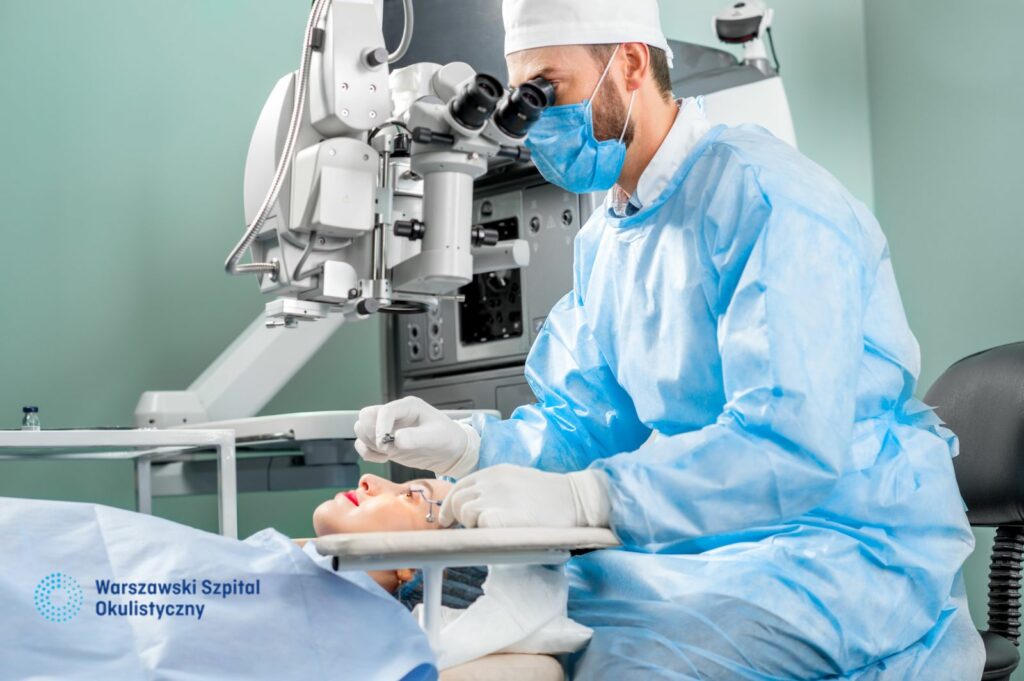
A special electrode containing the lutein preparation is placed on the eye. A second electrode is positioned on the forehead to complete the electrical circuit. A very low-intensity current allows lutein to penetrate through ocular tissues — without the need for injections. The procedure lasts only several minutes and is completely painless. Patients may feel slight tingling or mild warmth — these sensations are completely normal.
3
Return home the same day
The procedure does not require hospitalization. Patients can return to normal daily activities immediately afterward. For best results, treatment is usually repeated every four to six months.
Indications and contraindications
Indications
Contraindications
Retinal nutritional support with lutein.
Supportive treatment for age-related macular degeneration (AMD).
Prevention of retinal diseases in high-risk patients.
Pacemaker or other electronic implants.
Acute inflammation in the treatment area.
Skin damage at electrode placement sites.
Allergy to the applied preparation.
The final decision regarding treatment qualification is always made by the doctor.
Possible side effects
Side effects are extremely rare. Temporary symptoms may include mild skin redness, a feeling of warmth or slight irritation. Very rarely, allergic reactions to the preparation may occur. Temporary yellow or orange discoloration of the sclera or conjunctiva is also possible. These symptoms usually resolve on their own.
Do you have questions or would you like to schedule the procedure?
Contact us — our specialists will be happy to answer all your questions.
Widzisz coraz gorzej przez wylew w oku i obawiasz się najgorszego?
Jeśli masz powyżej 50 lat i dotknął Cię wylew pod plamką żółtą (w przebiegu wysiękowego AMD), czas gra kluczową rolę.
W Warszawskim Szpitalu Okulistycznem możesz wziąć udział w prestiżowym badaniu TIGER (prowadzonym przez King’s College London). Jeśli się kwalifikujesz, zyskasz szansę na bezpłatną, innowacyjną operację.
Zgłoś się, dopóki są wolne miejsca – pozwól sobie pomóc.

 Nagłe przypadki